The roof stays dry through a steady shower, then a windy storm leaves a mark on the ceiling. That pattern can feel unpredictable. There is a practical explanation: moving rain can reach an opening that ordinary runoff passes by.
Rain direction can expose a different opening
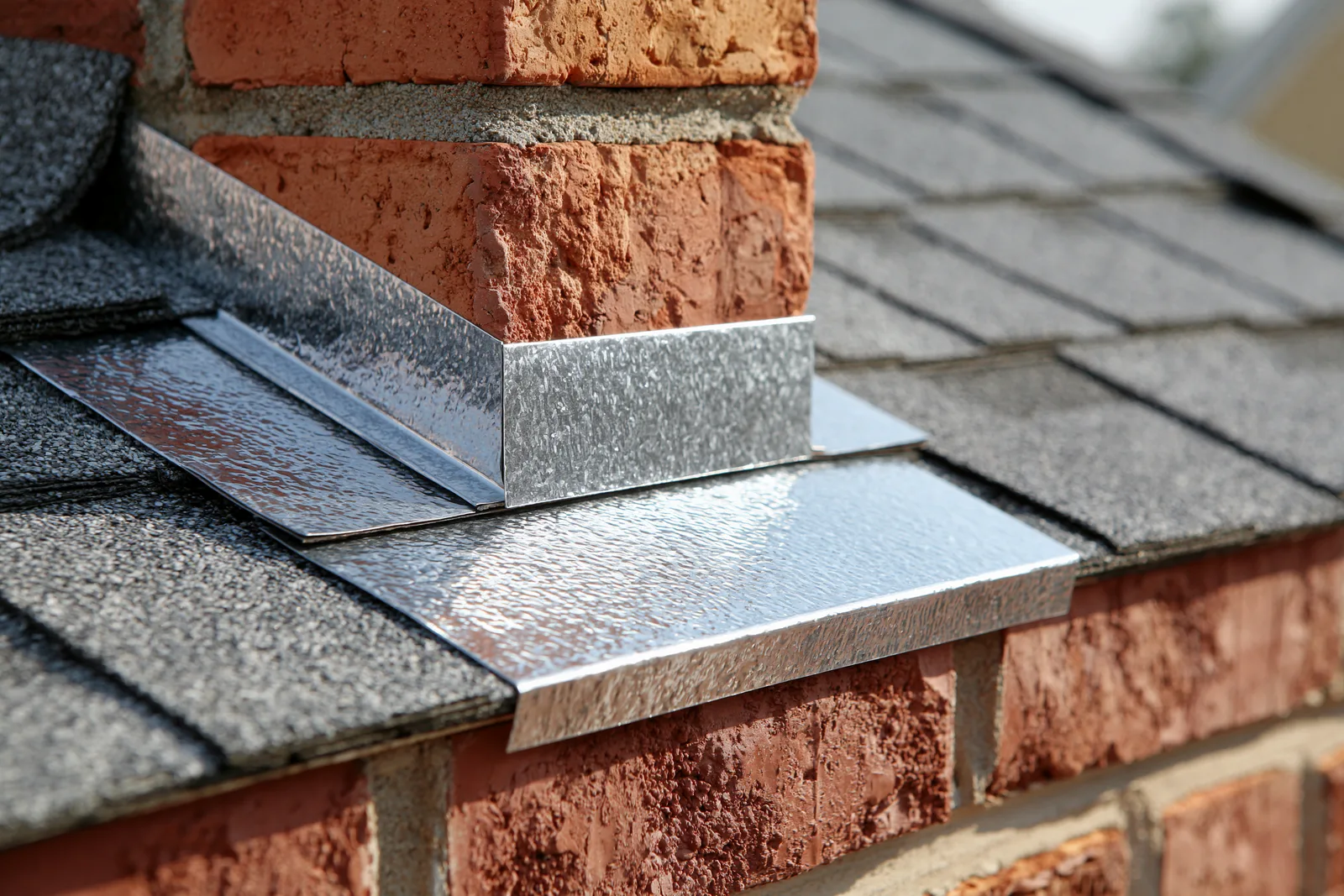
Roof coverings work by directing water down and out. Shingles overlap. Flashing, the shaped metal at walls, pipes and chimneys, redirects water at the places the covering is interrupted. Those connections need to work together, including when rain arrives at an angle.
Wind can drive water toward a loose flashing edge or a gap at a wall connection. A damaged overlap may shed rain flowing straight down the slope while admitting water pushed toward it. That makes the storm’s direction relevant to the leak, but it does not identify the failed part by itself.
A plumbing vent presents a different route. Its collar closes around the pipe above the roof. When that collar splits, water can follow the pipe down. Nearby shingles may look intact because the opening is in the component passing through them.
Inside the house, water can travel along wood, fasteners or the underside of the deck before it drops. A stain by an interior wall does not prove that the roof entry is directly above that wall. This is why the roofing assessment follows the path rather than treating the ceiling mark as a map pin.
Where water gets past the roof covering
Illustrative roofing detail. The covering and the flashing must connect so rain is directed back onto the roof surface; a sealant patch alone cannot restore a missing overlap.
The repair follows the entry point
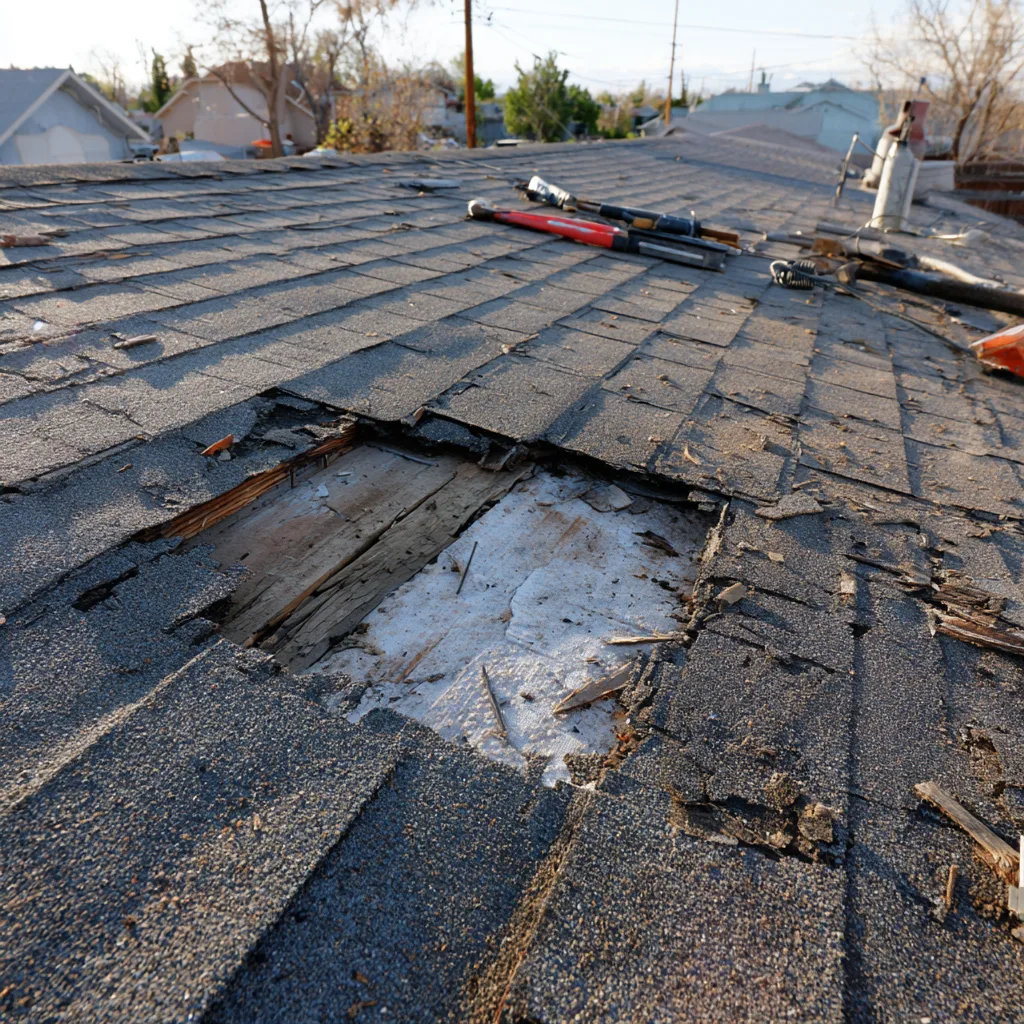
The goal is to restore a sound connection between materials. That can mean replacing a vent flashing, lifting shingles to rebuild an overlap, or opening a damaged area far enough to repair the wood beneath it. The work is determined by the entry route and the condition around it.
Adding sealant over an accessible gap can look convincing from the ground. If the real opening is uphill or behind the wall covering, that patch leaves water another way in. If the underlying materials move apart, a surface seal can also reopen. A recurring leak therefore calls for a closer look at the connection, not simply more material over the same spot.
For roof repair in Gravette, the useful distinction is whether the failure is local and the surrounding roof is sound. Flexible shingles and solid decking give a repair somewhere to connect. Broadly brittle shingles or damaged wood can make the necessary scope larger than the original visible mark.
Dampness also deserves a cause check when it is not clearly tied to rain. Condensation within the roof space and water from another building system can resemble a roof leak. The answer should come from the evidence on the house, rather than treating every ceiling stain as the same roofing job.
You do not need to recreate the leak or climb onto the roof. Tell us which room is affected and whether you noticed it during wind-driven rain. If the ceiling is sagging, water is near electrical fittings or an area seems unsafe, keep people away and get urgent help. Roof access and diagnosis belong to someone equipped for the conditions.