Flat roof repair
Trace a leak through seams, curbs, edges and drains. A useful repair restores the connection and addresses affected material beneath it.
Explore flat roof repair
A commercial roof decision needs more than a square-foot price. The existing system, insulation, drainage and condition of the deck determine what the roof can support. Occupied rooms and rooftop equipment affect how the work comes together.
One leaking curb on a dry, sound roof may call for a compatible detail repair. Moisture spread through the insulation presents a different problem, even if the ceiling only shows one stain. Understanding that difference helps avoid putting a new surface over damage that remains below.
Flint Ridge Roofing helps Gravette building owners start that conversation. Bring the leak location, building use and any planned work to the request. You can discuss the roofing options without needing to identify the membrane yourself.
Trace a leak through seams, curbs, edges and drains. A useful repair restores the connection and addresses affected material beneath it.
Explore flat roof repairPlan a single-ply membrane roof with heat-welded seams, an appropriate attachment system and insulation that supports the drainage design.
Understand a TPO roofConsider restoration when the existing roof is sound enough to keep. Moisture, adhesion and preparation determine whether a coating belongs in the plan.
Explore roof restorationRepair
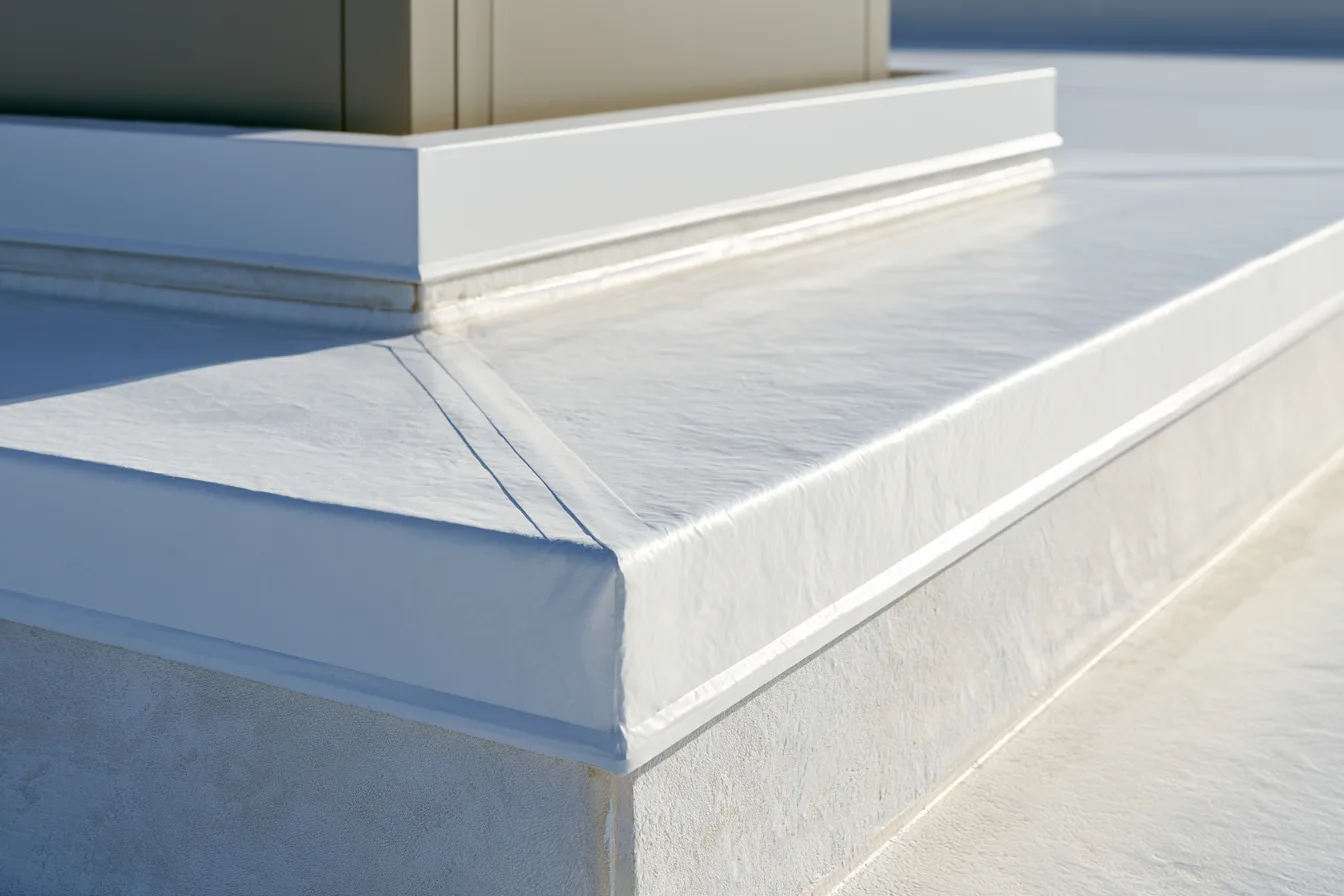
A repair can address a seam, flashing or puncture when the surrounding roof remains serviceable. The materials and method must be compatible with the existing system, and any wet layers within the work area need attention.
Explore flat roof repair for a closer look at seams, curbs and drainage.
Restoration
A dry, stable roof with repairable details may be a restoration candidate. Cleaning and coating alone do not cure saturated insulation, a moving substrate or an unresolved drainage problem.
The roof coatings guide explains the moisture and adhesion checks that determine eligibility.
Replacement
Extensive moisture, widespread membrane failure or underlying structural concerns can make removal necessary. Replacement allows the deck, insulation, drainage and new covering to be considered together.

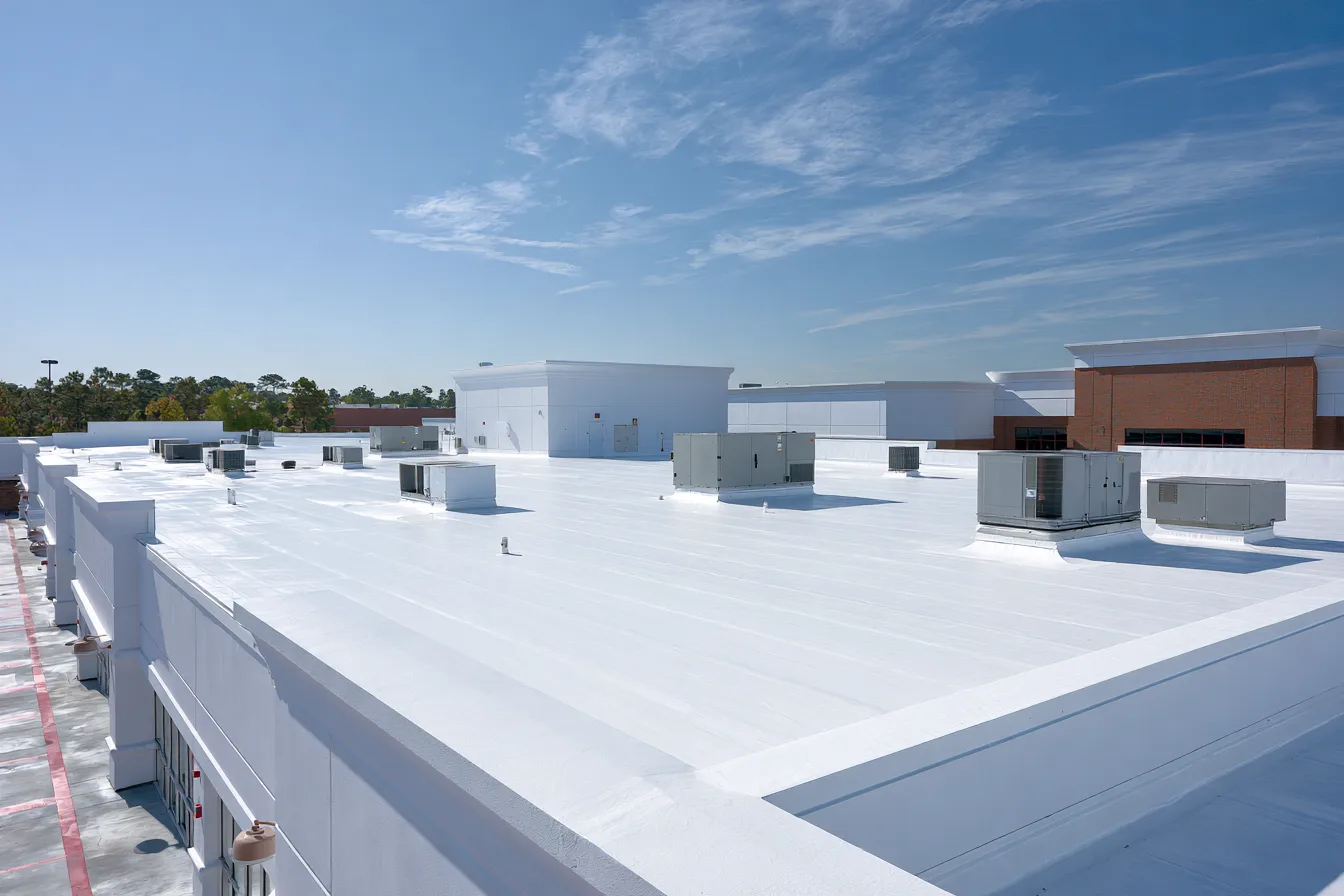
HVAC curbs, pipes and supports interrupt the membrane. Their flashing and access routes need to fit the roof system. Planned equipment changes should be part of the discussion before new roofing is installed.
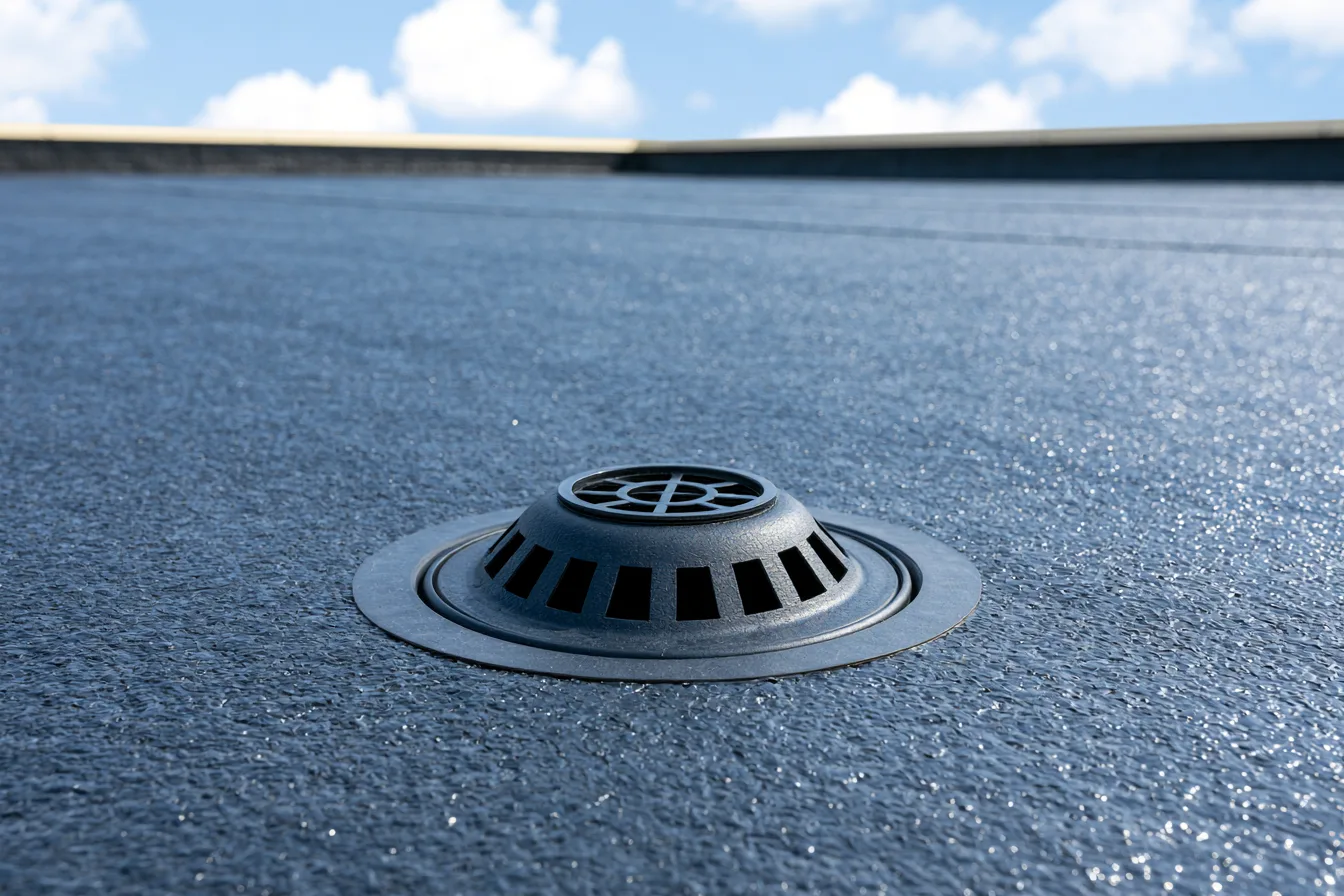
Low-slope roofs still need a route to drains, scuppers or edges. Blocked outlets and low areas have different remedies; tapered insulation may be part of a larger drainage correction.
Delivery access, rooftop travel and areas below the work affect the project plan. A shop with customers, a storage building and a leased property can have different coordination needs.
The proposal needs to account for the assembly, detail work and known conditions. Residential shingle pricing does not establish the cost of a commercial membrane roof with equipment, insulation and multiple penetrations.
A commercial roof budget begins with the existing assembly. A contained flashing repair, restoration of a dry serviceable roof and removal of a moisture-damaged system have different scopes. Pricing each as a simple rate for the visible surface can hide the work that actually decides the result.
Insulation, drainage corrections, rooftop equipment, wall transitions and the amount of damaged substrate all matter. Access also changes the job: materials and debris must move through a site that may still have deliveries, employees or customers using it.
For a useful comparison, keep the roof system, removal, insulation, detail work and exclusions beside each total. The residential cost calculator on this site models pitched shingle and metal roofs. A commercial project needs its own measured scope and system-specific estimate.
A working building keeps putting demands on its roof. Regular attention to a few practical details helps keep small changes from going unnoticed.
Debris around drains, scuppers and gutters can obstruct an otherwise usable water route. Checks should also look for damaged outlet connections and areas where water remains after surrounding sections have drained.
HVAC visits and new equipment bring traffic, tools and supports onto the roof. Use the intended access routes and have roofing connections checked after work that could disturb them. Equipment service and membrane repair are different scopes.
Keep the system specification, repair history and actual warranty documents together. They help a future inspection distinguish an isolated new problem from a recurring one, and identify maintenance or repair conditions attached to the coverage.
Yes. Describe the building and where you are seeing water or deterioration. Identifying the existing system is part of assessing the roof, and it determines which repair materials can bond or weld correctly.
It may avoid some removal when the existing roof qualifies, but eligibility comes first. Required wet-layer removal, preparation and detail repairs affect the scope. The coatings guide explains what makes restoration useful and when it stops being appropriate.
You can request an assessment for a smaller commercial building as well as a larger property. Include the location, building use and roofing concern so the contractor can confirm the project fit and next step.
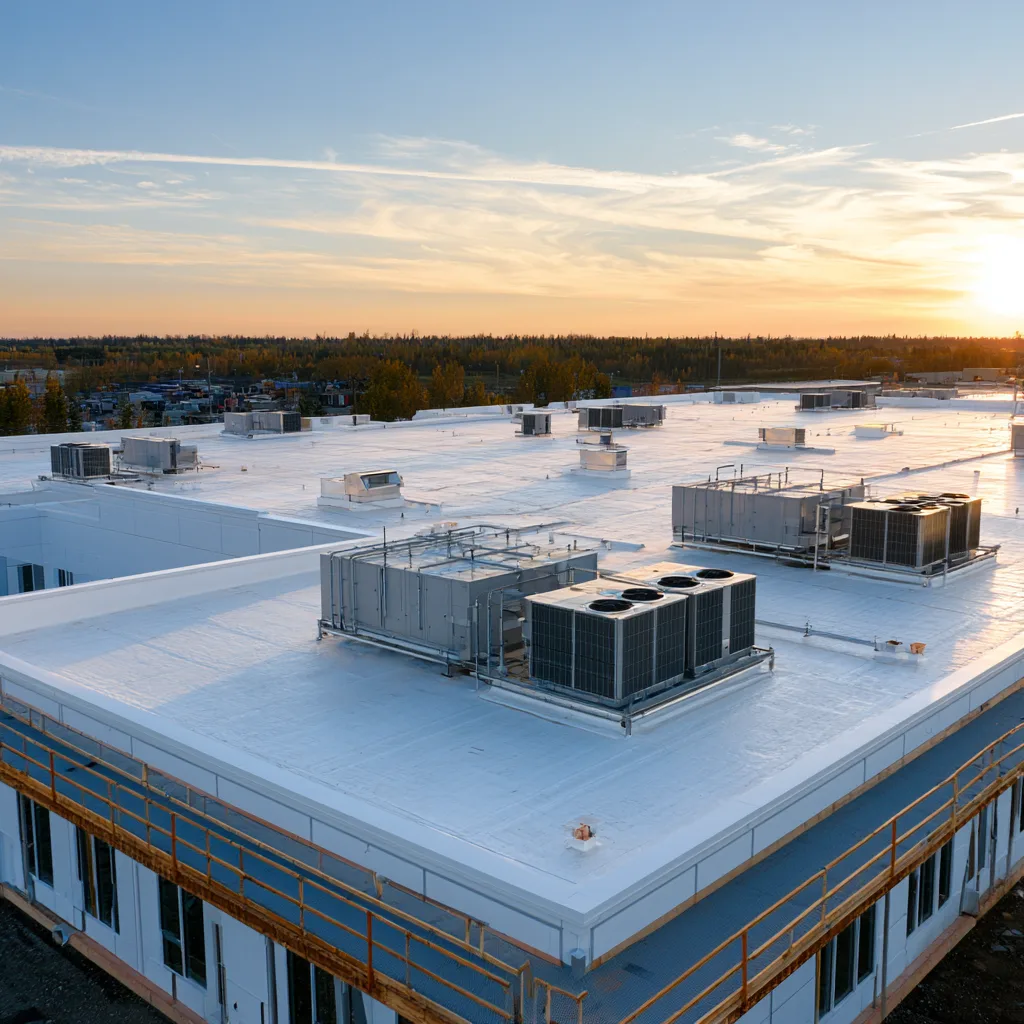
Start with the building, the concern and what needs to keep operating beneath the roof. Request a free inspection to discuss the commercial roofing work your Gravette property needs.