The covering across the slopes
Missing pieces, creases, broad wear and the condition of neighboring shingles help distinguish local damage from a roof that is failing more generally.

Maybe a shingle has landed in the yard. Maybe you are getting ready for a replacement, or wondering whether a stain came from the last storm. Bring the question you have; you do not need to arrive with a diagnosis.
A roofer walks the roof when conditions allow and checks the covering and its connections. The useful answer is more specific than “old” or “new”: which part has failed, how far the concern extends and whether surrounding material can accept a repair.
Safe access and the ability to see a component affect what can be checked. An inspection of the exposed roof cannot show every concealed layer, so some conditions only become clear when an area is opened for work.
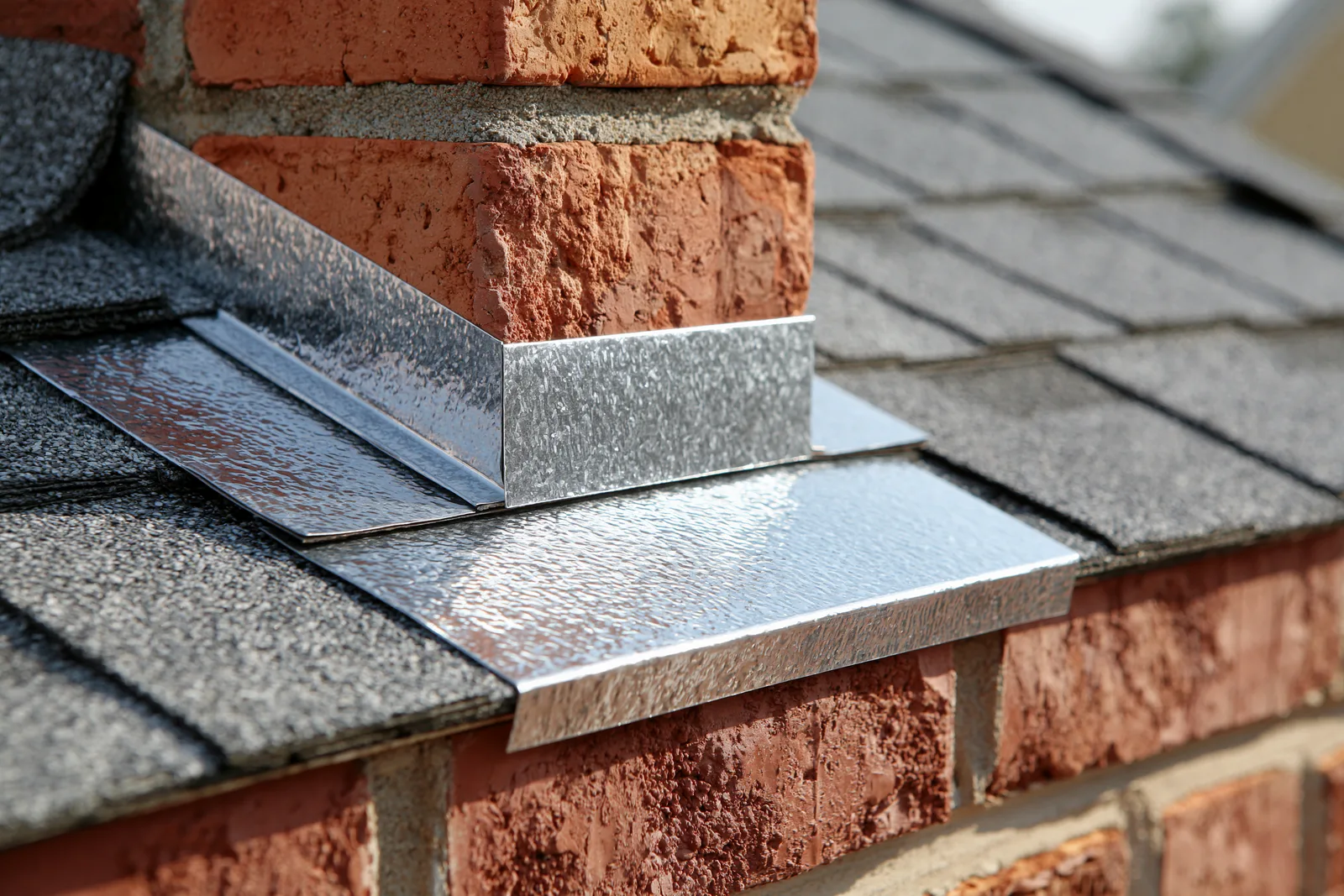
Missing pieces, creases, broad wear and the condition of neighboring shingles help distinguish local damage from a roof that is failing more generally.
Flashing and collars close the places where other building parts interrupt the roof. A small failure there can produce a leak while much of the covering looks intact.
Loose caps, open edges and blocked drainage routes deserve attention alongside the field of shingles. Water needs a continuous path away from the house.
A repair has to join sound material. Brittle shingles, damaged wood or an adjoining wall problem can change how far the work needs to extend.
Sound condition
An inspection does not have to end with a sale. If there is no roofing defect to repair, the useful result is understanding the condition and what changes merit another look.
A defined problem
When the problem is local, the roofer can explain the work needed to restore that connection. Learn more about repair decisions and the conditions that affect them.
A larger project
If wear or damage extends across the roof, a replacement plan can account for the covering, hidden layers and your priorities for the home.
A stain or drip gives the inspection a place to begin. The roofer traces the roof concern behind what you see indoors.
Shingles on the ground or a visible change after hail or wind calls for a closer look at the roof.
Before committing to a new roof, understand whether the present one has a repairable problem or broader wear.
Tell us the property’s location and what prompted the request. If you already have a record of a previous repair or a material warranty, it can help explain what is on the roof. You do not need to collect paperwork before asking for a free inspection.
The visit is about the roof’s condition and the work it may need. Access, weather and concealed layers can limit what is visible on that visit. Those limits should be explained alongside the findings, so you understand what is known and what may require a closer look during the work.
Yes. Request a free roof inspection through Flint Ridge Roofing. The request starts a conversation about the property and scheduling; it does not commit you to a repair or replacement.
You do not need to wait if you have noticed loose roofing, an impact or another change. Some roof damage does not leak immediately. The storm damage page explains what hail and wind can affect.
Yes. A newer covering can still have a failed detail or receive storm damage. An inspection checks the concern itself. It does not determine construction-warranty coverage simply from the home’s age.
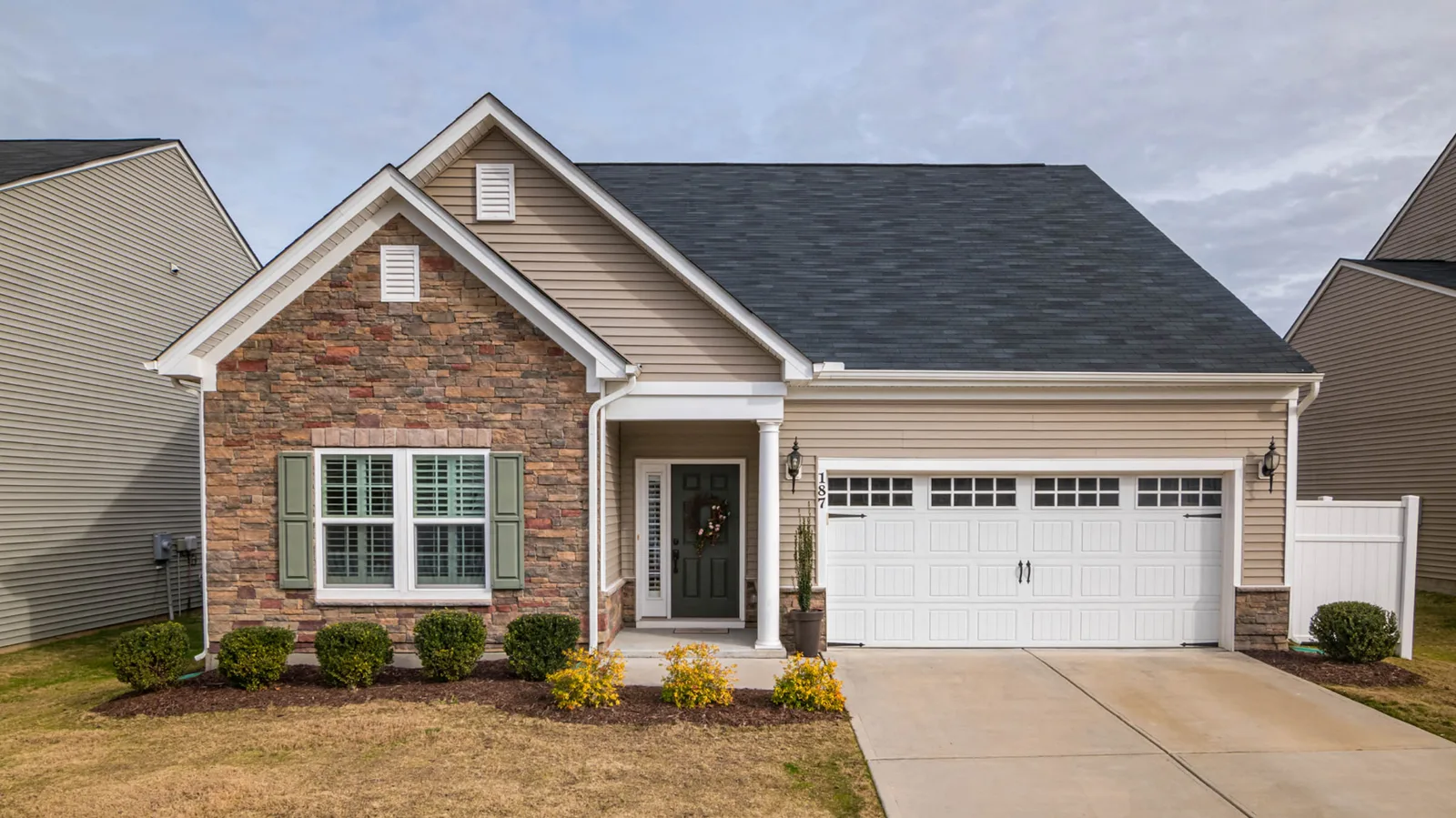
A question about your roof is enough reason to get in touch. Tell us the property location and what you would like help understanding.