Water spilling over the front
A blocked trough or outlet can fill during rain. Once blockage is ruled out, the gutter’s pitch, size and downspout arrangement determine whether water has a usable way out.
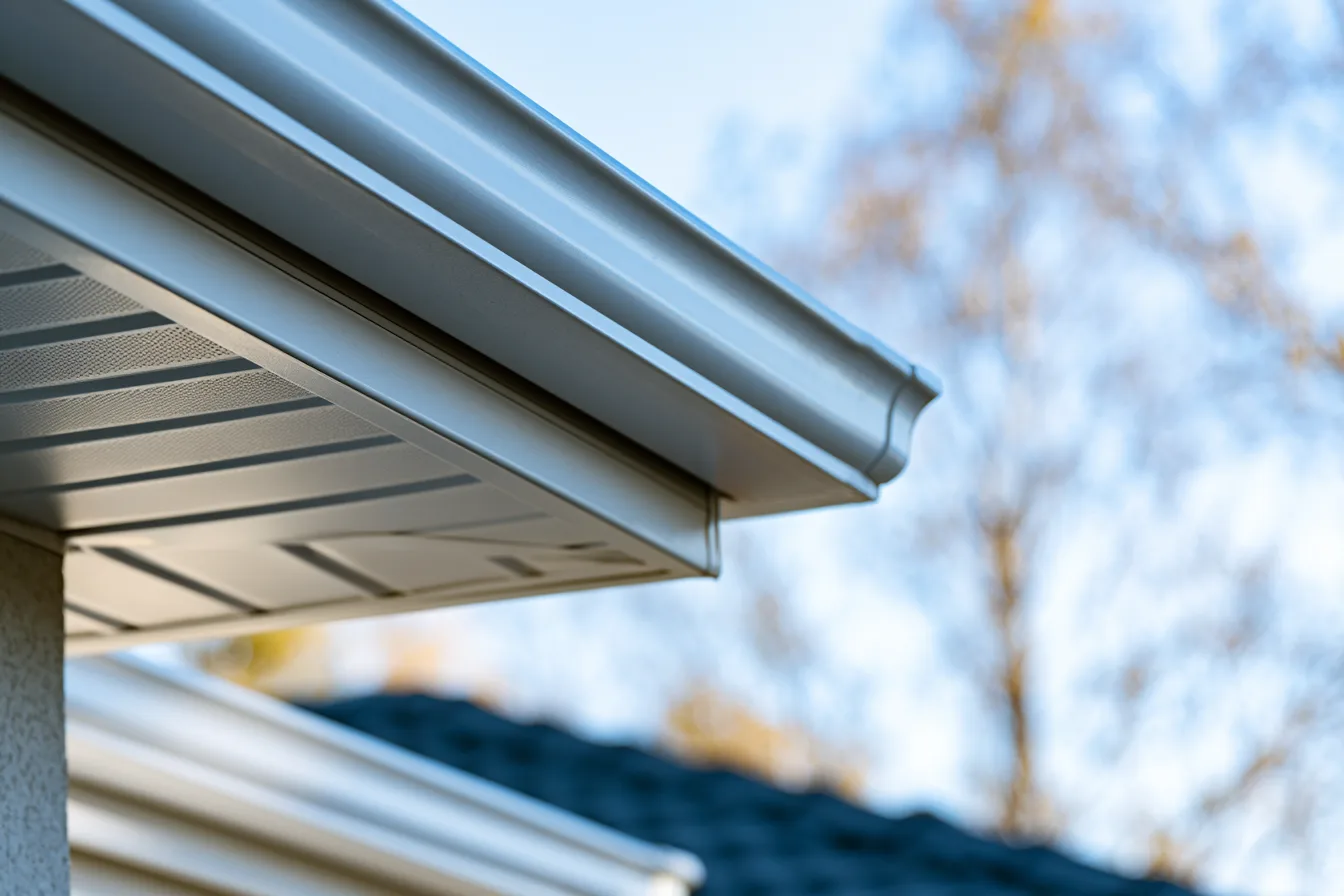
A gutter collects water from the roof and carries it to an outlet. An overflow may start with debris, a sagging section or a downspout that cannot drain. Water behind the gutter can point to an edge-flashing connection instead.
Replacing the gutter alone will not correct every roof-edge problem. The slope, supports, fascia and the way the roofing directs water into the trough need to work together. A sound repair follows that full route.
Where the downspout releases water matters, too. Keeping runoff away from an entry or planting bed is part of planning the outlet, though yard grading and underground drainage may need separate work.
A blocked trough or outlet can fill during rain. Once blockage is ruled out, the gutter’s pitch, size and downspout arrangement determine whether water has a usable way out.
Separated connections need a repair suited to the gutter material and its movement. Widespread deterioration can make repeatedly sealing individual joints less useful.
Supports must hold the gutter in the right position. Soft fascia cannot reliably accept new fastening, so the underlying edge may need repair before the gutter is secured.
The roof edge should direct runoff into the gutter. A gap or poor connection at the edge flashing can let water run behind it, even if the gutter itself is clean and straight.
A contained problem
A serviceable gutter with one loose support or damaged connection may need focused work. The repair should restore its alignment and water route, not simply close the visible drip.
Repeated failure
Distorted sections, substantial corrosion or failed connections along much of the run can make replacement more sensible. Outlet placement and the fascia condition should be considered at the same time.
Debris management
Guards can reduce certain debris entering the gutter, but their fit and the surrounding trees affect performance. They do not remove every maintenance need or correct a poorly draining gutter.
A gutter has to handle the runoff reaching it and deliver that water to a useful outlet. Replacing the same shape in the same position may leave the cause of overflow unchanged.
A long roof slope and a valley that collects several slopes deliver water differently. The gutter size, fall and outlet arrangement need to account for that flow, especially where water overshoots during heavier rain.
Loose hangers or damaged fascia can let a run sag and hold water. The work scope should distinguish a gutter repair from wood or roof-edge repairs needed to support it.
Run lengths, corners, height, outlet locations and access all affect the amount of work. Downspouts need a sensible discharge route; adding guards alone will not correct a poorly sloped run or an inadequate outlet.
It is useful to consider the roof edge and gutters together when planning a roof replacement. Existing gutters may be retained if sound, while damaged fascia or poor edge connections may need work as part of the project.
They can improve how roof runoff is collected and discharged. They cannot by themselves correct every grading, soil or underground drainage problem. The release point and the yard’s drainage need to be considered together.
No. Fine debris, roof granules and material resting on top can still affect flow. The type of guard and the conditions around the house determine what upkeep is needed.
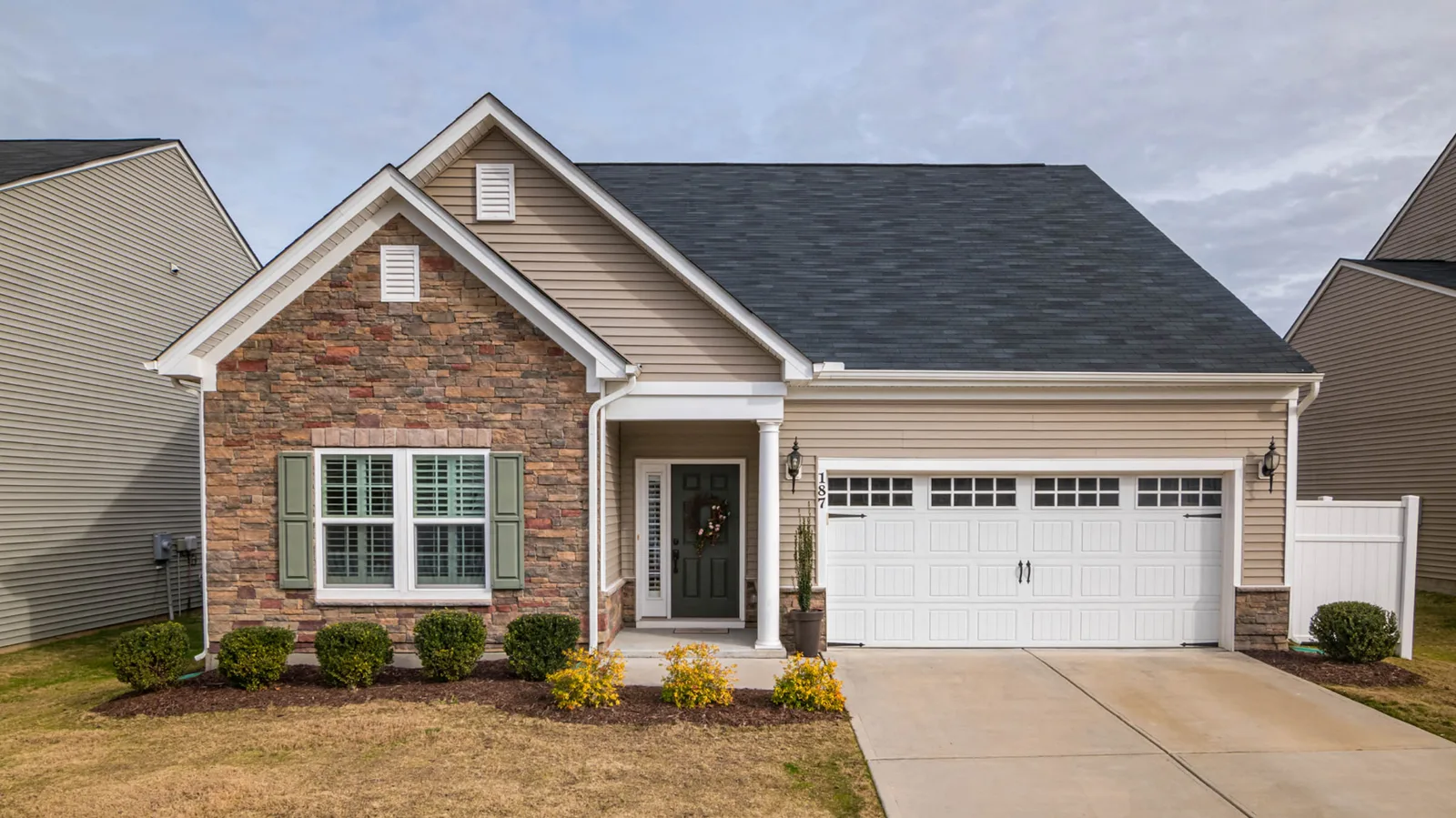
Point out where the gutter overflows or where you see water running behind it. Get a closer look at the roof edge and the drainage route before deciding what needs replacement.